









Free Cell Phone Number Lookup

Every year, the FTC logs billions in losses from phone-based fraud – fake debt collectors, IRS impersonators, and “wrong-number” phishing schemes that open with an innocent text. In 2024 alone, US consumers reported losing $12.5 billion to fraud – a 25% jump over the year before with phone calls ranking as the second most common way scammers made first contact

When a stranger contacts you by phone, you’re starting from zero while they often know exactly who they’re targeting.

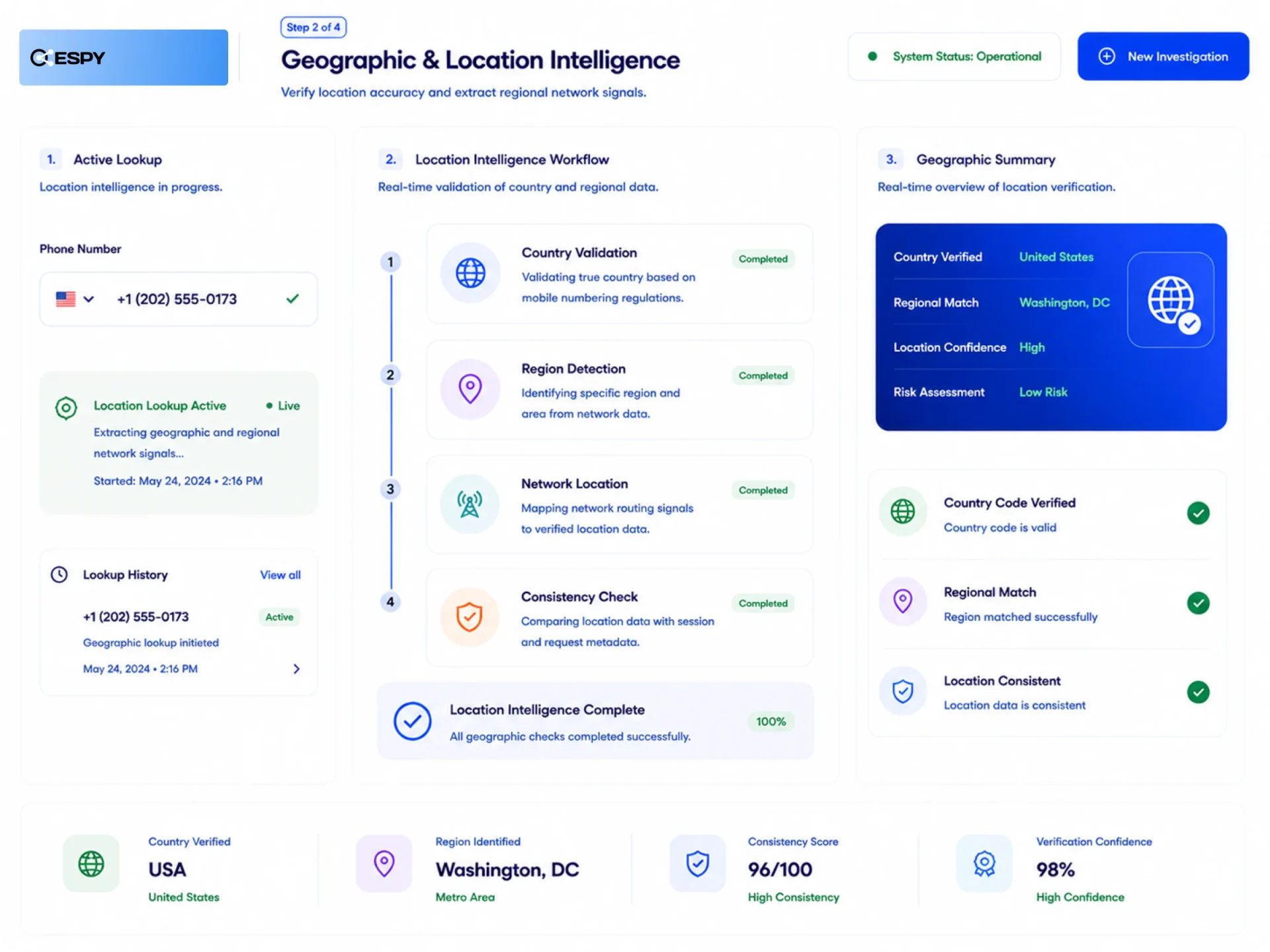
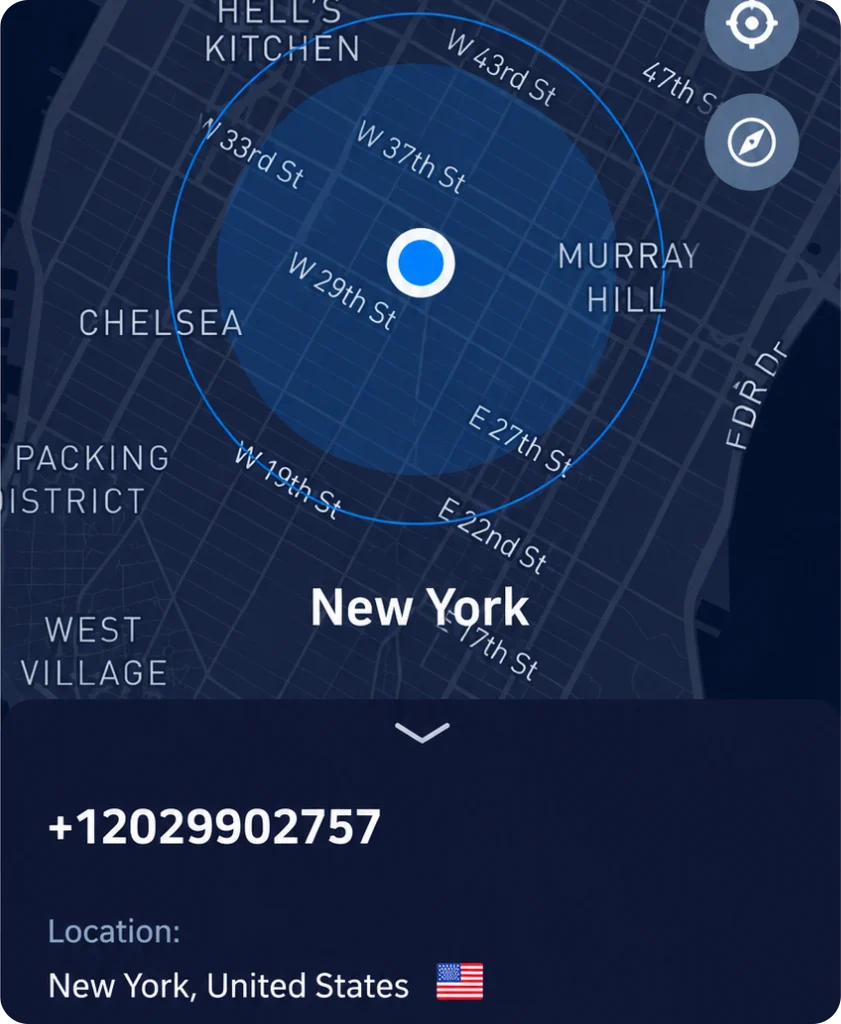
A free cell phone number lookup flips that. You start with the number and work backward – carrier, line type, active status, risk signals, sometimes a name and a linked profile. It takes seconds, and is free to use within a trial period.

Here’s what it actually returns, when it’s worth using, and how to get the most out of it.

How It Works

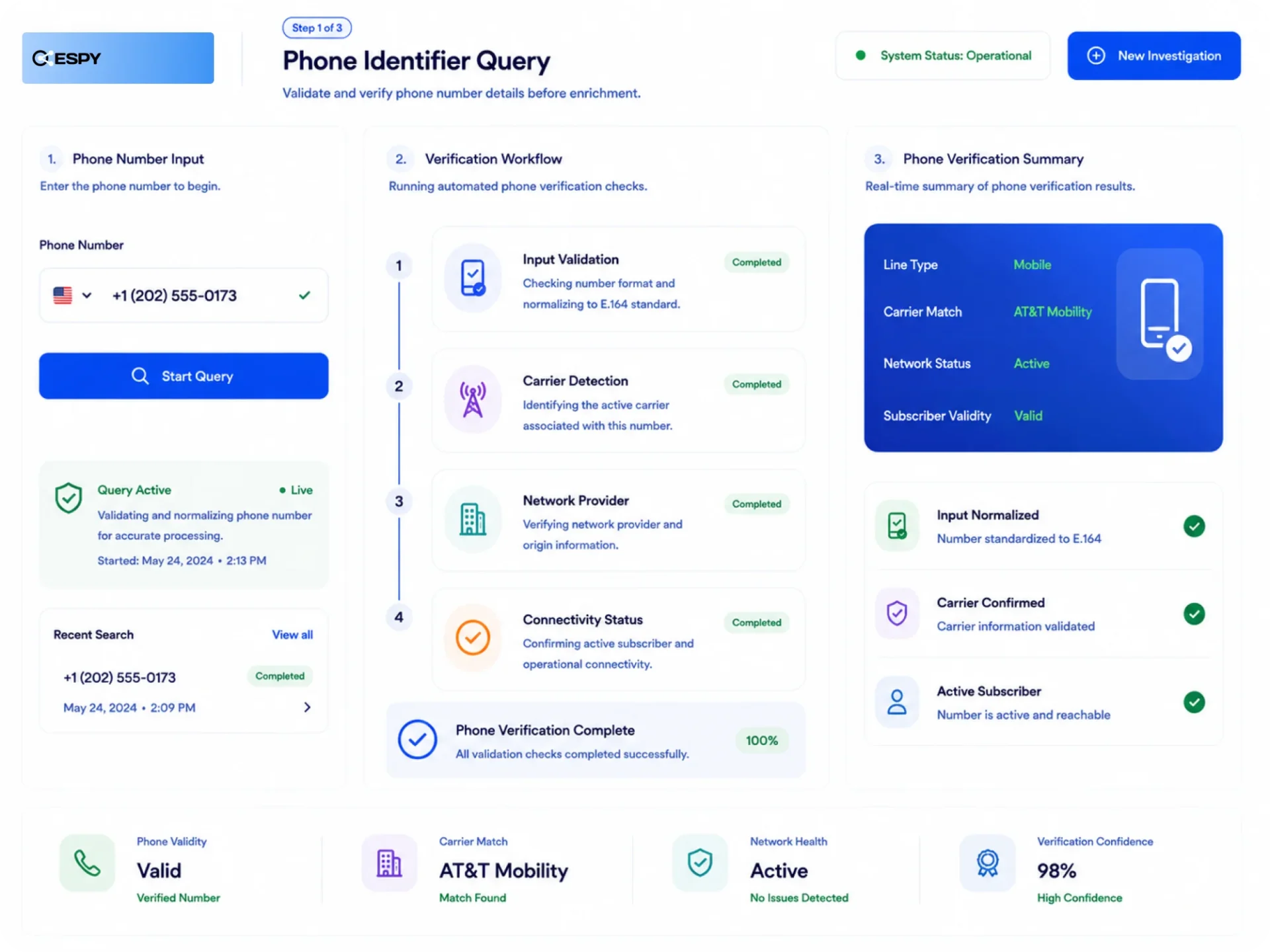
When you enter a number into a reverse phone lookup, three things happen in parallel.

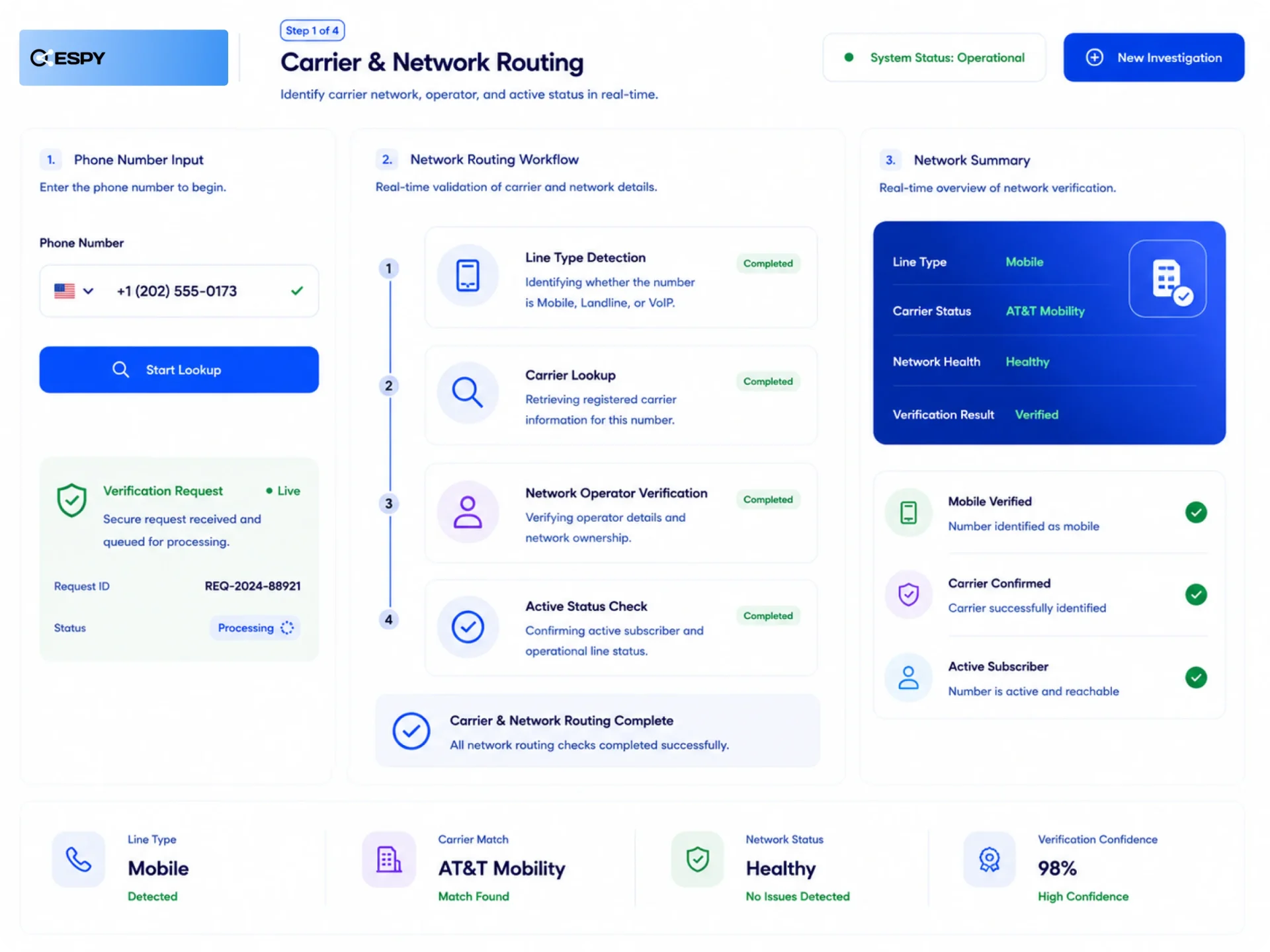
First, the tool queries live carrier databases – specifically the HLR (Home Location Register) and CNAM (Caller ID Name) records – to get real-time data on the subscriber’s name, network, and active status. This is the same infrastructure your phone uses to display a caller’s name, queried in reverse. Real-time queries matter here: a number that was active six months ago and is now disconnected or ported to a different carrier will show that current status, not stale cached data.

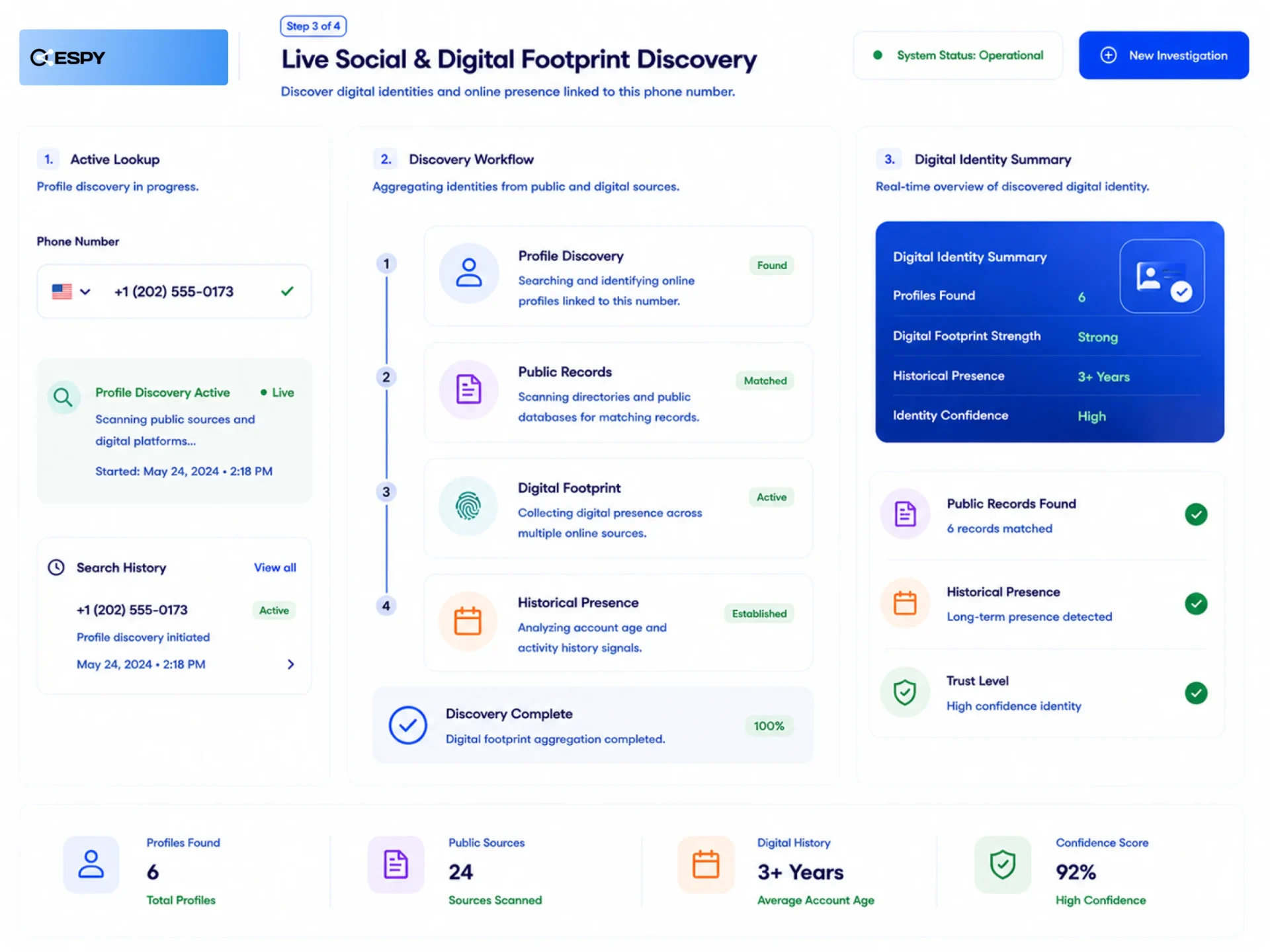
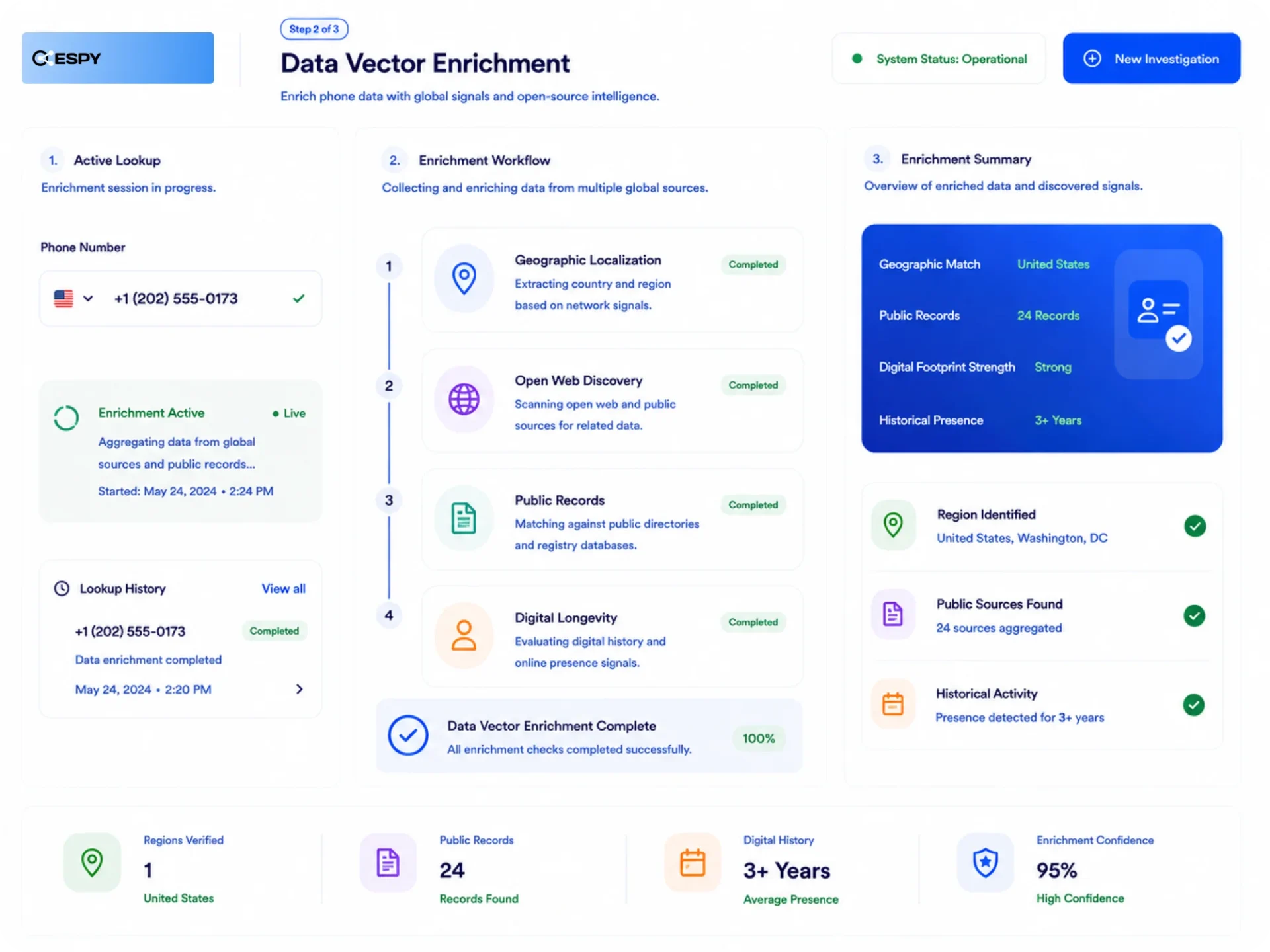
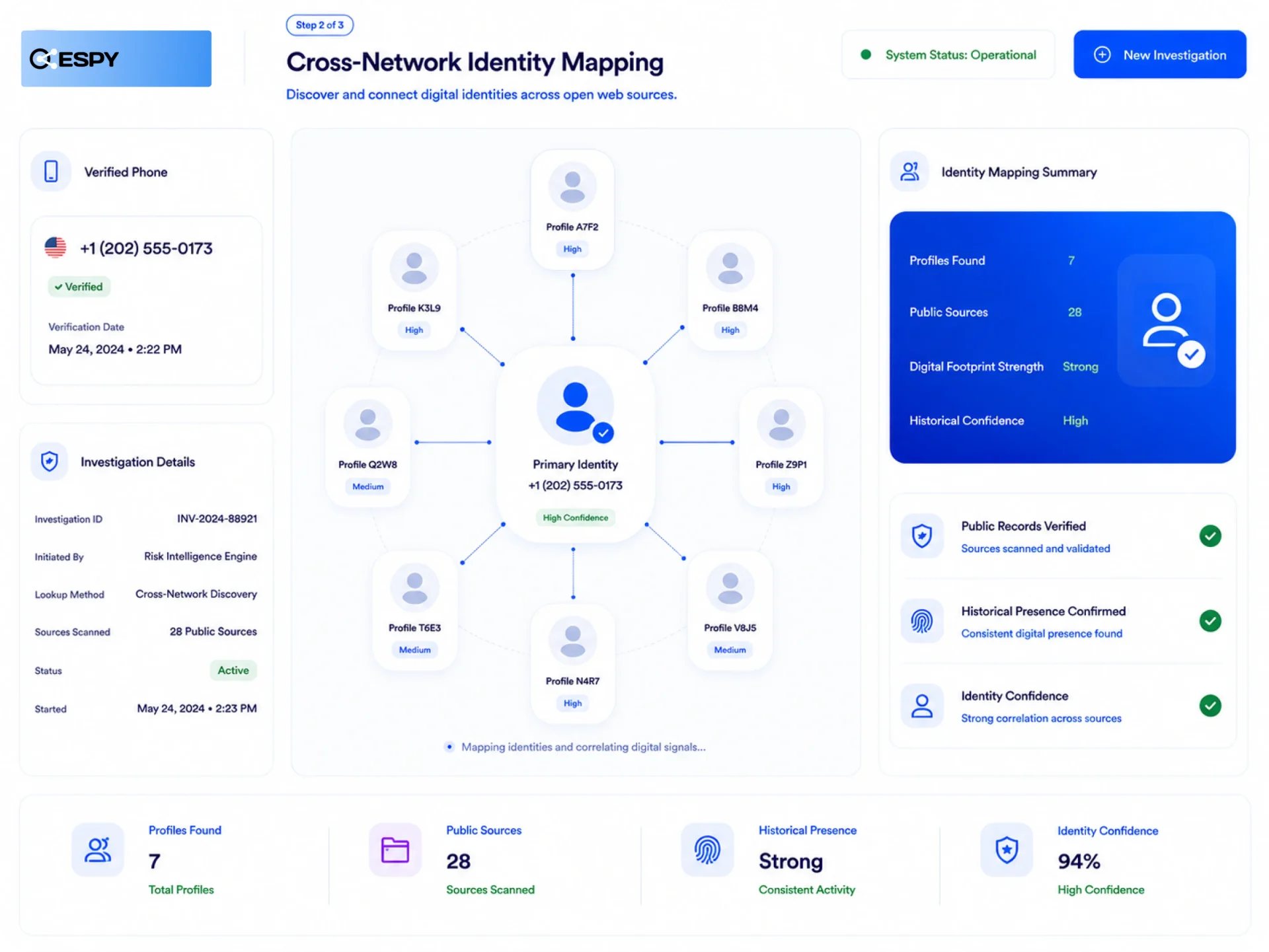
Second, it scans public records and social media platforms for any profile, directory listing, or account linked to that number. Someone who signed up for a service with that number, listed it in a business directory, or linked it to a social profile can surface here.

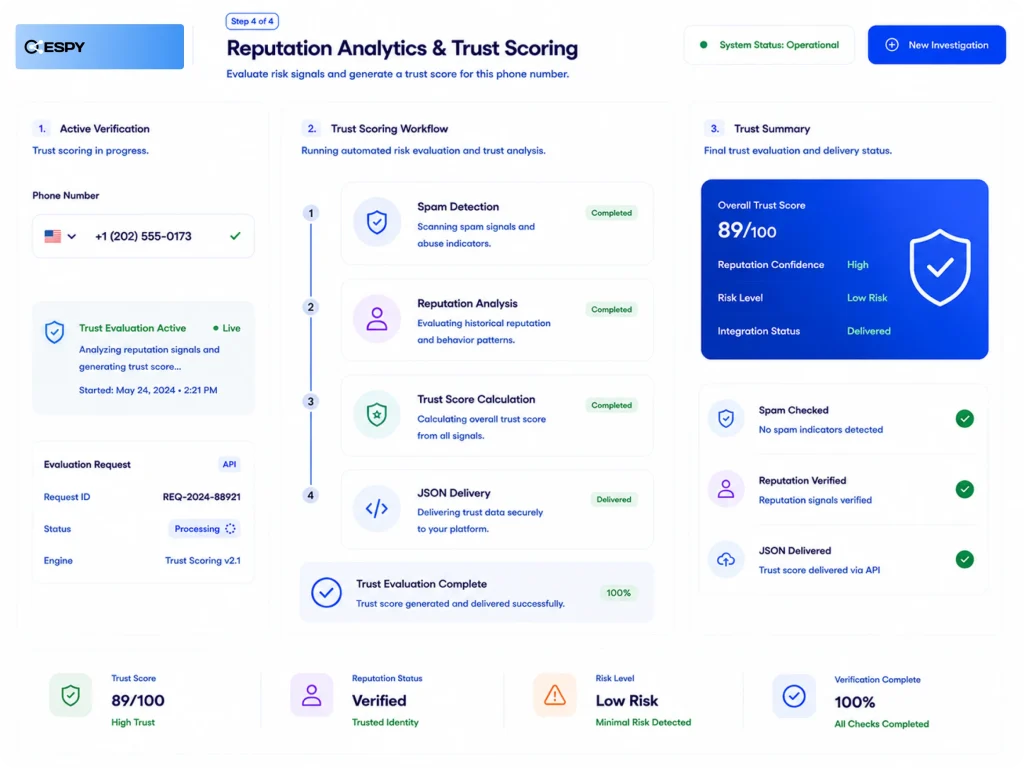
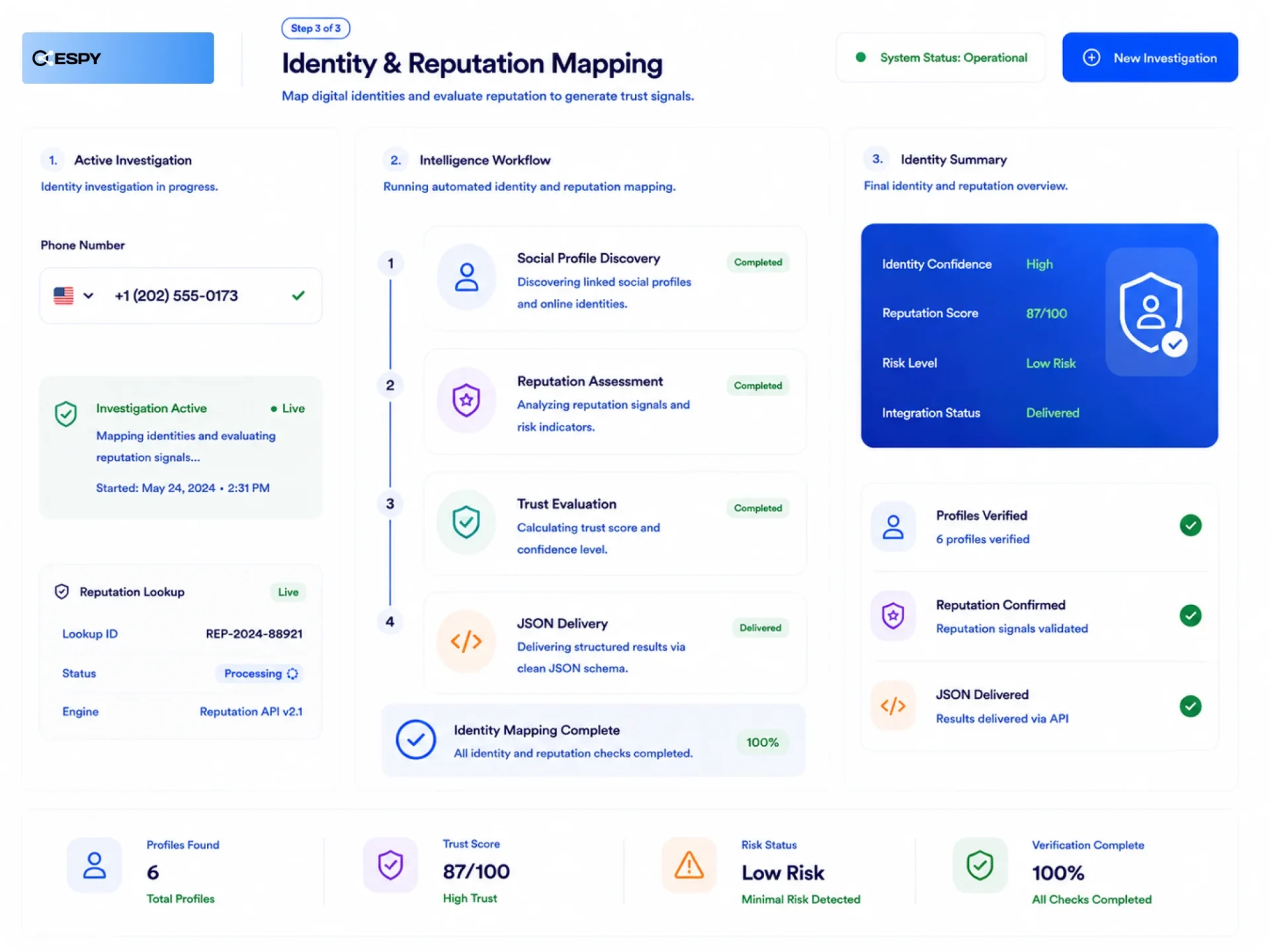
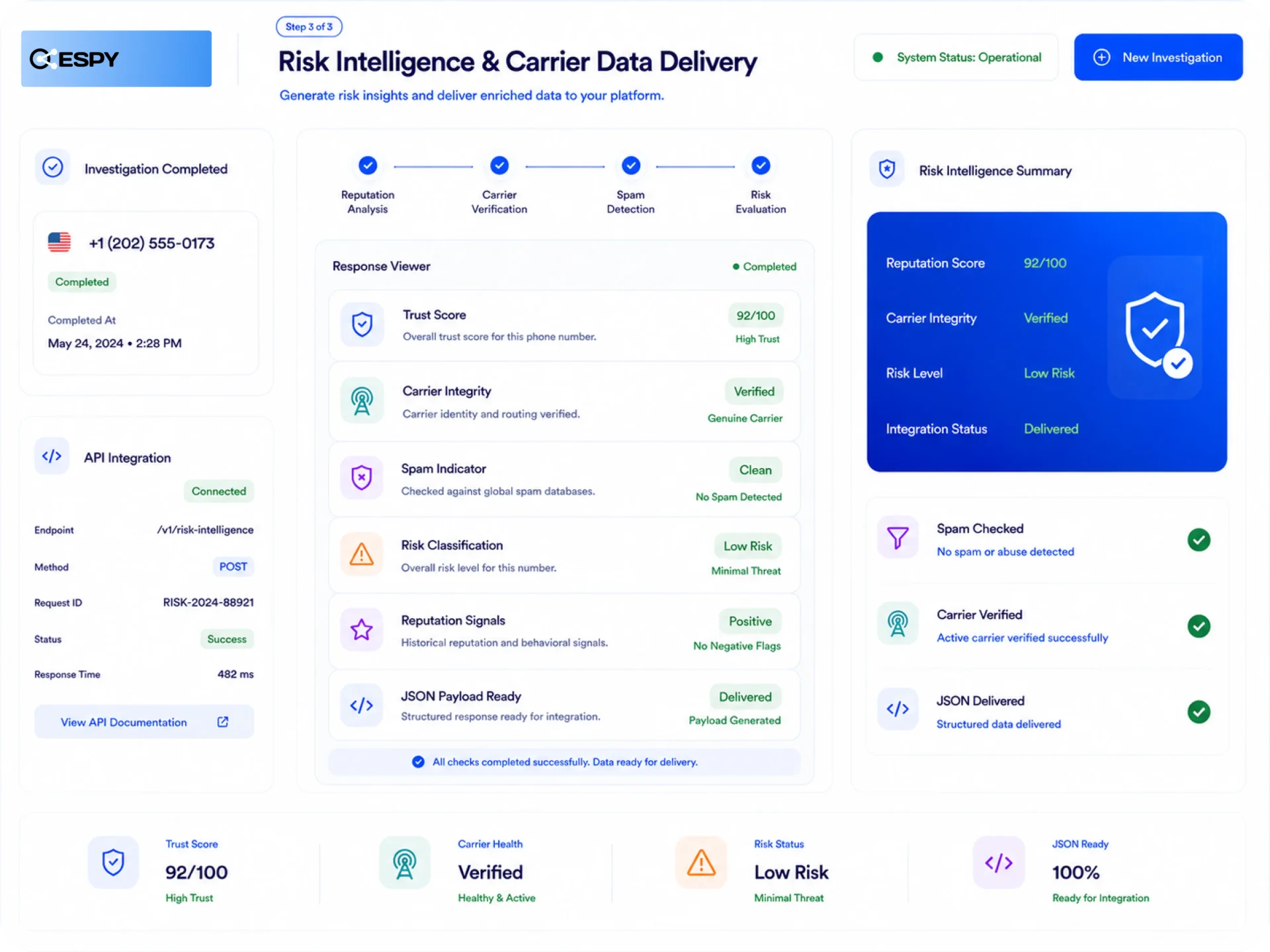
Third, it scores the number for risk. A VoIP line registered two weeks ago with no social presence scores very differently from a landline registered to the same address for a decade. That signal is often more actionable than a name.

What You Can Realistically Find

Results depend on the number type. Here’s what to expect:

Line Type

Typical Data Returned

Reliability

US Landline

Name, address, carrier, active status

High – stable public records

US Mobile

Carrier, line type, name if linked to social/business

Variable

VoIP / Virtual

Line type (Google Voice, Skype, etc.), carrier, risk score

High for line type; name rarely available

International

Carrier, country/region, line type

Varies by country

One thing the line type result alone can tell you: if someone calls claiming to be from your bank’s fraud department and the number comes back as a VoIP line, that’s a flag worth acting on. Legitimate bank staff don’t call from virtual numbers.

When People Actually Use This

Screening unknown callers. The obvious one – figuring out whether a mystery number is a real person, a telemarketer, or a scam operation before you engage.

Online dating and marketplace transactions. Before meeting someone from a dating app or handing your address to a Craigslist buyer, running their number confirms whether the name they gave you matches the registered carrier data and whether anything in the risk profile looks off. A seller who verified a buyer’s number before completing a transaction described exactly this scenario in a consumer forum – the number came back as a temporary VoIP with no history, which matched other signals of an overpayment scam.

Verifying suspicious job offers. Recruiting scams are on a steep rise. A freelancer who received a job offer from an unfamiliar UK number ran it through ESPY – it returned as a VoIP line with a high fraud risk score, flagged in reputation data for phishing campaigns. She declined. Weeks later, the same number pattern appeared in a Reddit fraud warning thread.

Reconnecting or resolving recurring unknown calls. An old contact saved only as a number, or a number that keeps appearing in your log with no voicemail – a lookup can attach a name, current employer, or social profile, or confirm it’s a robocaller worth blocking.

Running a Search on ESPY

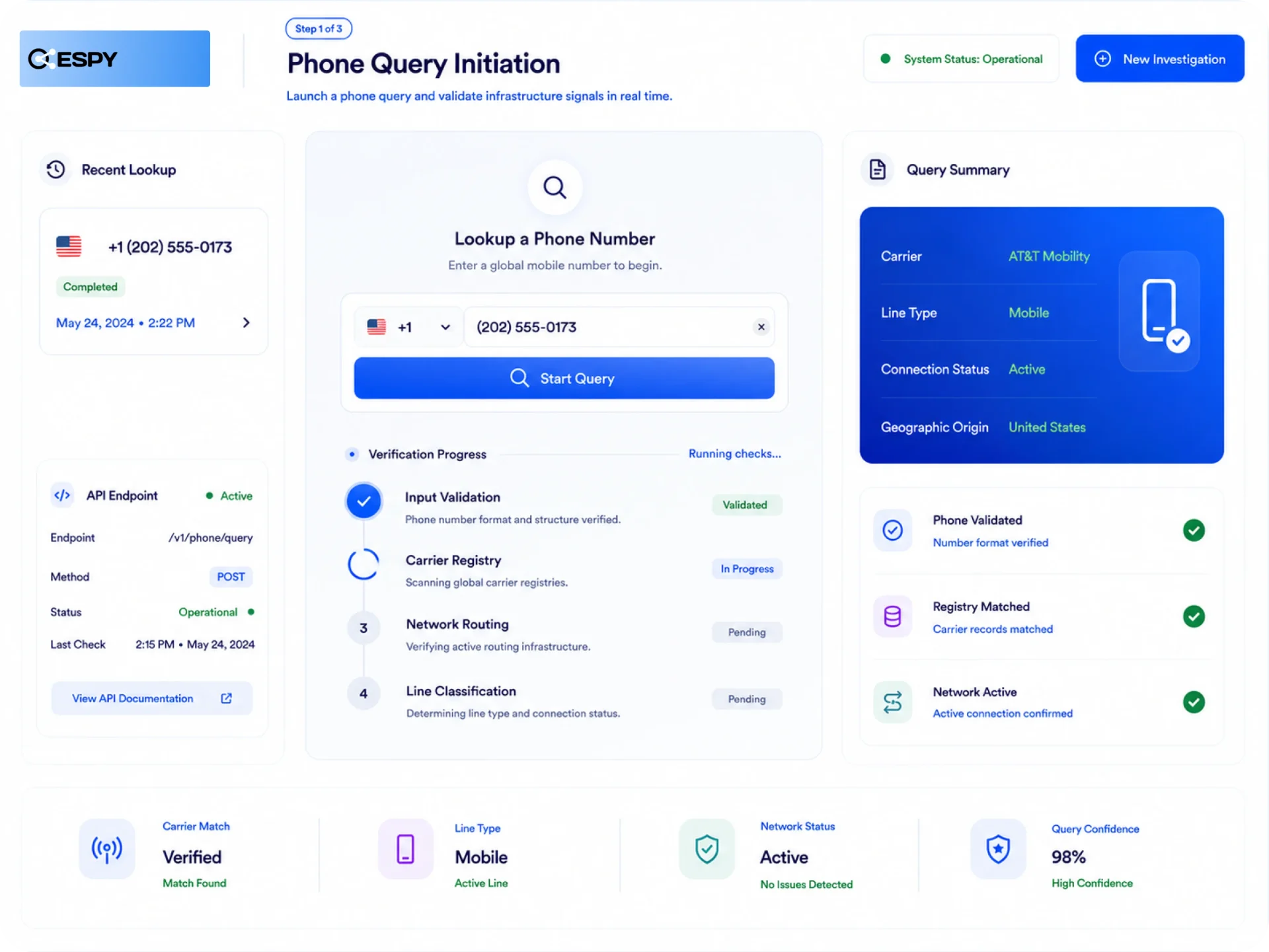
Go to IRBIS. Enter the number in international format – for US numbers, that’s +1 followed by the ten digits. Results come back in seconds.

The complementary search is fully functional and returns carrier, line type, country/region, active status, and a phone number quality score – real results, not a teaser that gates everything behind a credit card. Deeper enrichment (owner name and linked social profiles) is also available.

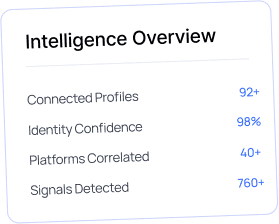
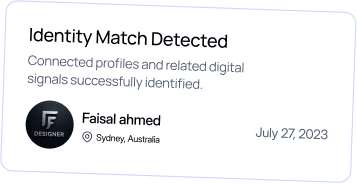
If a result raises a flag and you want more, ESPY’s OSINT Profiler fans out from the phone number across platforms – surfacing linked email addresses, social accounts, and usernames. The Phone Number Quality Score goes one step further, using AI to cross-reference names from instant messengers, caller apps, and social data sources to produce a validation score on whether the person is who they say they are – useful when someone’s claimed identity and their phone’s actual footprint don’t line up.

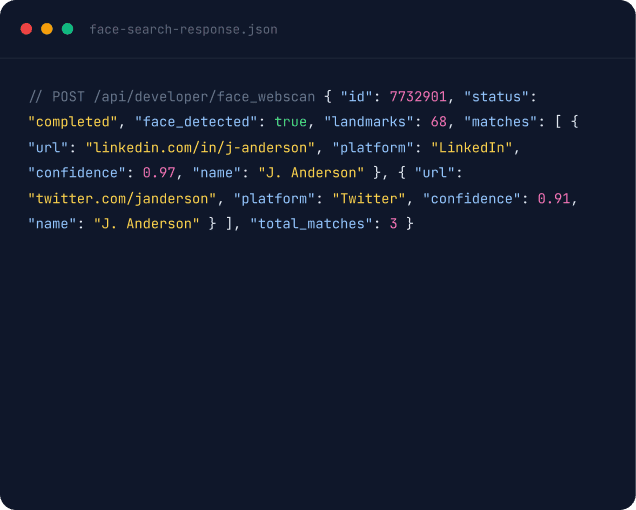
For businesses running verifications at scale, the IRBIS API provides programmatic access to the same data with full documentation at api-docs.espysys.com.

How ESPY Compares to the Alternatives

Tool

Best For

Notable Limitation

ESPY (IRBIS)

Full identity picture: carrier + risk + OSINT + social profiles

Deepest results require a paid plan

Truecaller

Identifying incoming calls on mobile in real time

Crowd-sourced only; no carrier data; documented privacy concerns around contact harvesting

IPQualityScore

Developer/API fraud scoring and VoIP detection

Minimal consumer UI; built for system integration

Social Catfish

Dating safety and investigative reports

Almost everything paywalled before showing results

Whitepages

US residential landlines

Weak mobile coverage; limited international

Truecaller is effective for flagging spam calls as they come in, and its user base is large enough to make that useful. But it works by harvesting your entire contacts list when you install it – meaning people who have never installed the app can find themselves in Truecaller’s searchable database just because someone who has their number uses the app. 

This practice has resulted in lawsuits in Nigeria and Kenya, regulatory investigations by Sweden’s GDPR authority, and ongoing criticism from privacy researchers

Legal Boundaries Worth Knowing

ESPY’s phone lookup is powered by IRBIS, a real-time identity intelligence platform. 

ESPY is not an FCRA-licensed Consumer Reporting Agency. Per the Fair Credit Reporting Act, it cannot be used for employment screening, tenant decisions, or credit applications – the same restriction that applies to Spokeo, Whitepages, and every similar tool on the market.

Best uses: personal safety research, verifying a stranger before a transaction, fraud prevention, marketing data validation. IRBIS is ISO-certified and GDPR-compliant. Your searches are encrypted and not disclosed to the number owner.

Run your first free reverse phone search →

More Articles